
Professional Tree Services in Darwin NT
Shape It Perfect! Expert Tree Services Just a Quote Away!
Darwin Tree Services
When you need tree services in Darwin, you deserve a local team that delivers safe and affordable solutions. We specialise in all areas of tree maintenance, including tree removal, tree lopping, tree trimming, stump grinding, stump removal, and complete tree and stump removal services across Darwin NT, Australia. Whether it’s a dangerous tree threatening your home, an overgrown yard, or a stump that needs grinding down, our expert team ensures high-quality results every time.
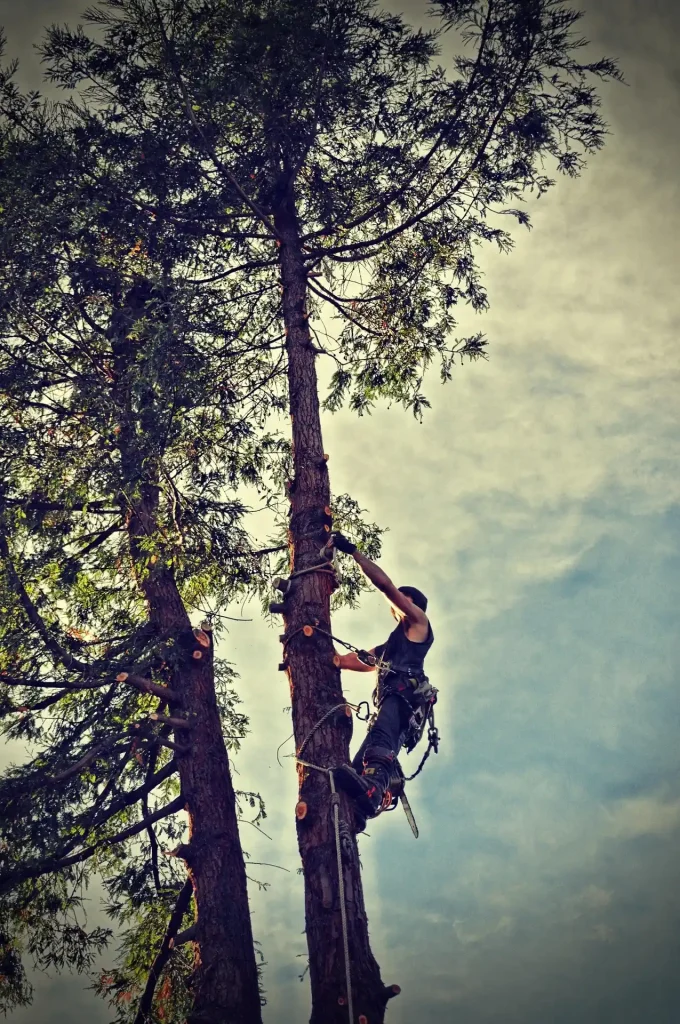
Request a Quote
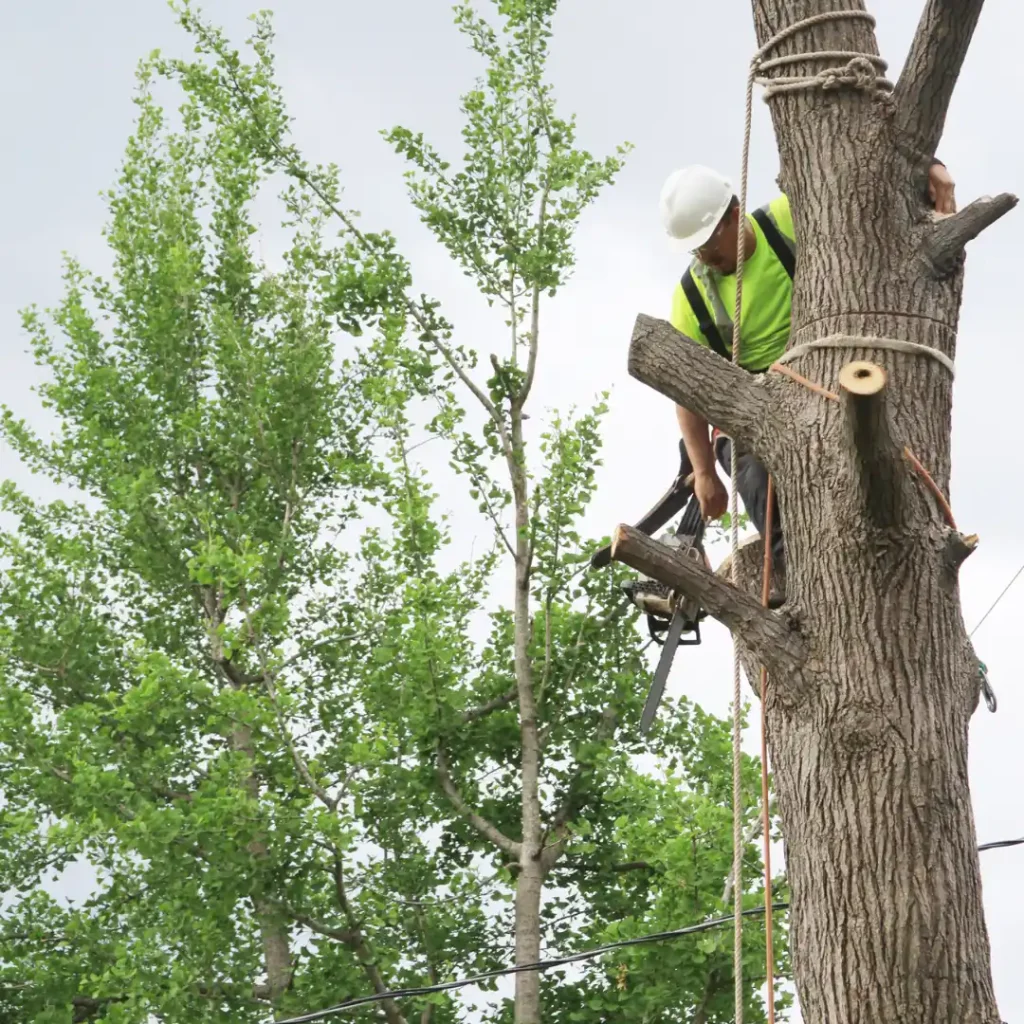
Tree Removal Darwin
If you’re searching for tree removal Darwin NT, our team provides safe and affordable services. Trees can become dangerous when damaged, diseased, or growing too close to buildings, fences or powerlines. We handle:
Storm-damaged trees
Dead or diseased trees
Large tree removal
Hazardous trees near structures
Tree removal and stump grinding combined
Using advanced equipment, we dismantle trees safely and efficiently, ensuring minimal disruption to your property.
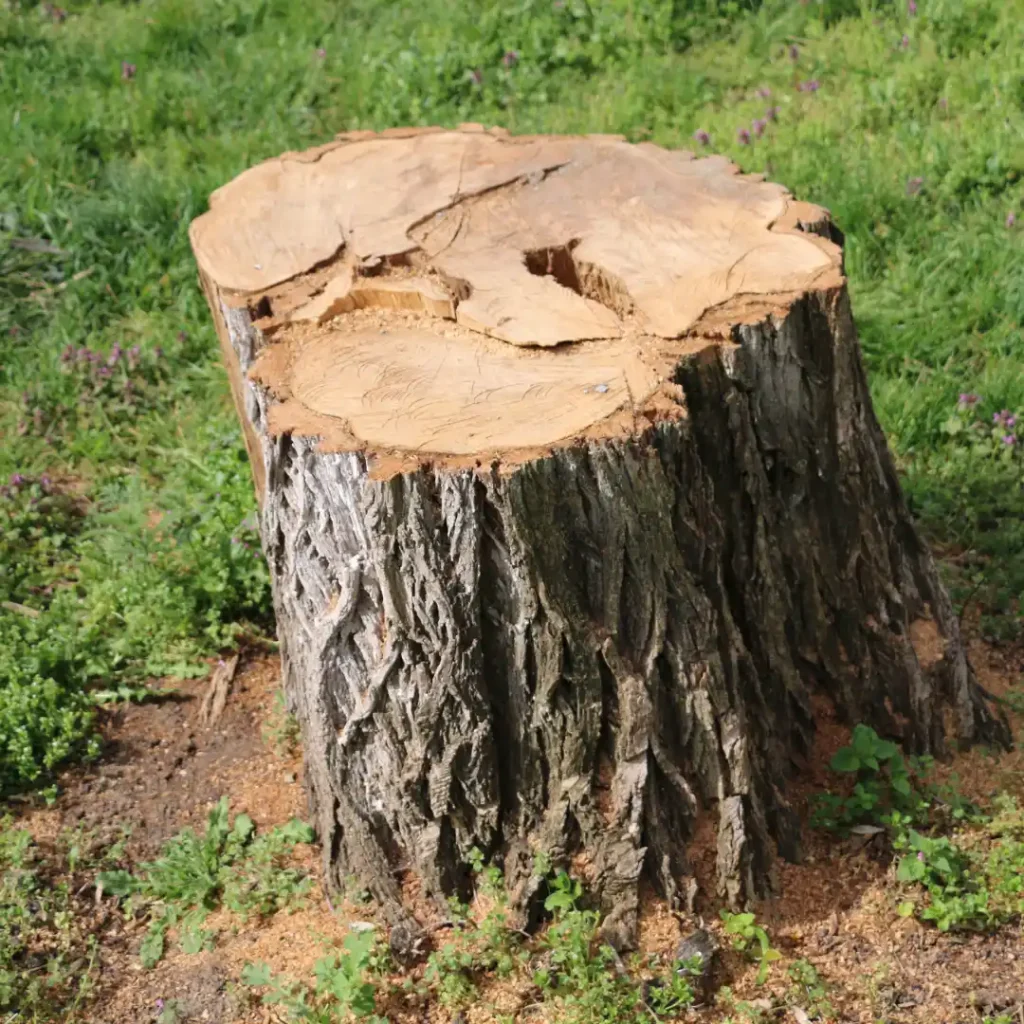
Tree Lopping, Tree Cutting & Tree Pruning Darwin
If your trees are overgrown, leaning, or blocking visibility, our tree loppers Darwin offer safe tree lopping and trimming solutions. Proper lopping and pruning help maintain tree health, encourage new growth, and reduce safety risks.
We offer:
Tree cutting Darwin
Crown lifting & thinning
Dead branch removal
Storm preparation trimming
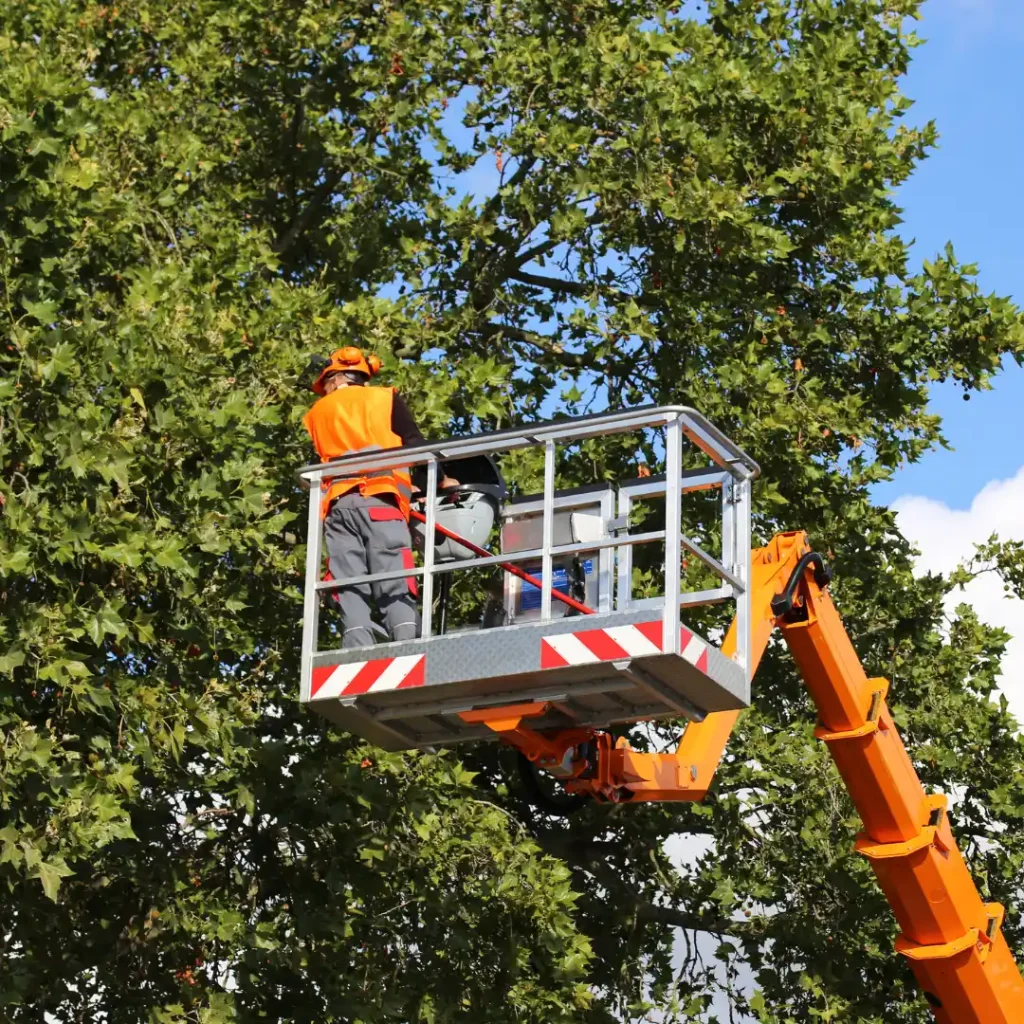
Stump Grinding & Stump Removal Darwin
Leftover stumps can cause pests, regrowth, and trip hazards. Our professional stump grinding Darwin services remove unwanted stumps quickly and affordably.
We handle:
Stump grinding
Tree stump removal Darwin
Large tree stump removal
Stump removal Darwin
Stump grinding tree roots
Affordable tree stump removal
Tree stump grinding and removal
Whether you need deep grinding or complete stump removal, we can help you.
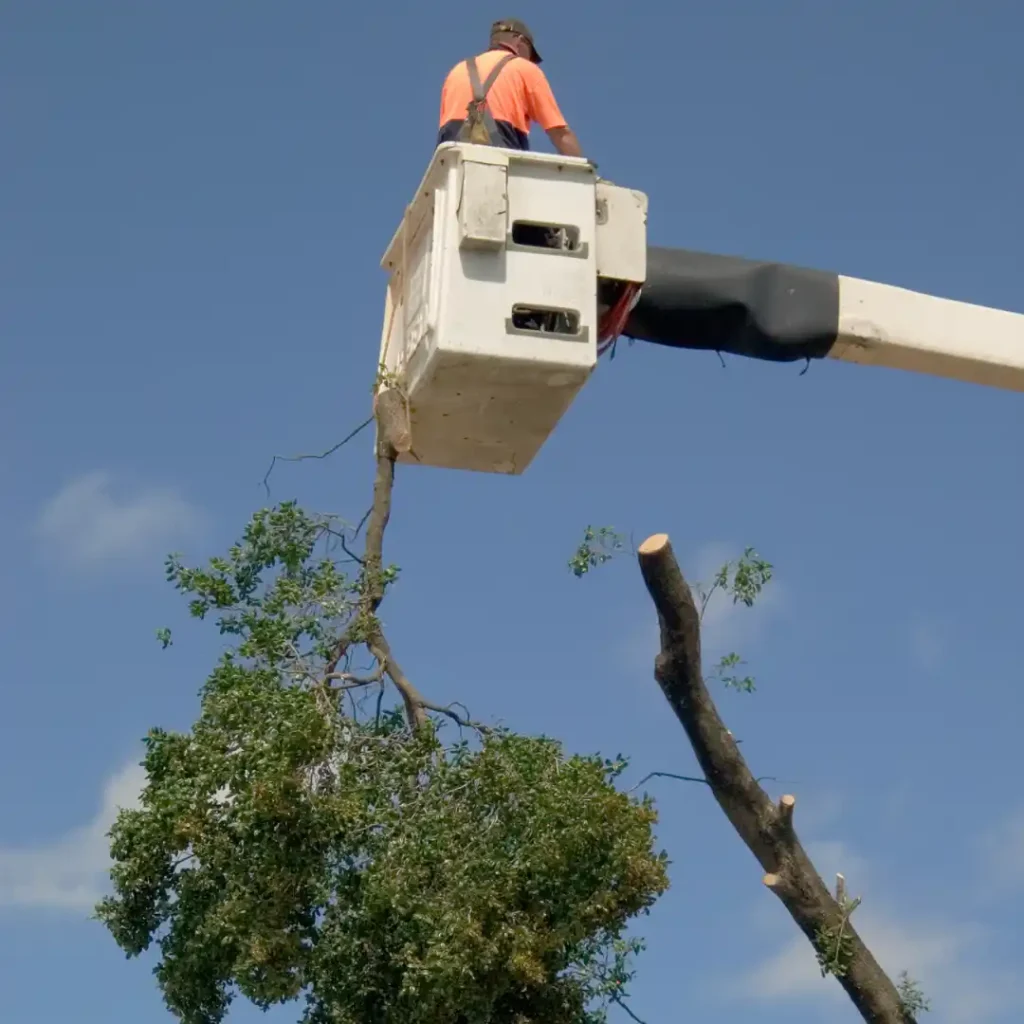
Tree and Stump Removal Services in Darwin
For homeowners looking for a complete solution, we provide combined tree and stump removal packages. This includes:
Tree removal and stump grinding
Tree and tree stump removal
Affordable tree and stump removal
Tree loppers + stump grinding packages
Local Tree Services Across Darwin NT
We proudly service:
Darwin
Palmerston
Casuarina
Howard Springs
Coolalinga
Humpty Doo
Greater Darwin region
Get a Free Quote for Tree Services in Darwin
Need affordable and reliable tree services in Darwin? We provide free quotes, friendly service and expert solutions for all your tree and stump needs. Whether it’s a small backyard job or a large commercial project, we’re ready to help.
Contact us today for professional tree removal, tree lopping, stump grinding and more.

How Darwin’s Climate Impacts Tree Health & Safety
Darwin’s tropical climate plays a huge role in how trees grow, react, and age. For most of the year, homeowners deal with the combination of fast growth, heavy rainfall, high humidity, and strong seasonal winds. This combination makes tree care more than routine maintenance — it becomes an essential part of keeping properties safe.
During the Wet Season, trees absorb large amounts of water which cause branches to swell and become heavier. Many people don’t realise how quickly a healthy tree can turn hazardous when the ground is saturated and roots lose stability. Even a tree that looks solid from the outside may have soft soil beneath it, increasing the risk of leaning or uprooting during storms. Understanding these seasonal changes helps property owners make timely decisions about trimming and structural assessment.
Cyclones add another layer of complexity. In Darwin, extreme winds can remove entire branches or cause cracks that aren’t immediately visible. After a storm, it’s common for trees to show outward signs of stress such as splitting bark, exposed roots, hanging limbs, or a change in angle. These indicators shouldn’t be ignored because they often hint at internal weaknesses that may lead to collapse later on.
On the other end of the year, the Dry Season brings different challenges. Trees lose moisture, branches become brittle, and the risk of breakage increases. For species that grow aggressively during the Wet, the Dry Season is when deadwood becomes most noticeable. Removing weakened limbs during this time prevents future breakage when storms return.
Palm trees also require special attention in Darwin. They grow quickly, shed fronds frequently, and can drop heavy materials without warning. Even when palms appear healthy, old seed pods and dead fronds can accumulate at the top, posing safety risks during windy periods.
Understanding how the climate affects different species allows homeowners to plan maintenance schedules more effectively. Instead of reacting to emergencies, property owners can adopt a seasonal approach — reducing hazards, encouraging healthy growth, and ensuring trees remain stable all year round. Consistent maintenance not only creates safer surroundings but also helps trees withstand Darwin’s intense weather conditions.
Why Proper Tree Pruning Matters More Than People Realise
Pruning is often seen as simply cutting back branches, but its importance goes far deeper. When done correctly, pruning improves a tree’s structure, encourages healthy growth, and significantly reduces safety risks. When done poorly, it can lead to disease, instability, or long-term damage.
One of the main benefits of pruning is managing the weight distribution of branches. Over time, certain limbs grow heavier than others, especially after extended Wet Seasons. Uneven distribution creates tension points where branches can crack under pressure. Thinning the canopy allows wind to pass through more efficiently, reducing the chance of storm-related breakage.
Another overlooked benefit of pruning is improving sunlight exposure. When trees grow dense, they block sunlight from gardens, lawns, and nearby plants. Strategic pruning opens pockets of light, allowing surrounding vegetation to thrive. This is particularly useful for homeowners wanting healthy turf or garden beds beneath shaded areas.
Pruning also supports tree health by removing diseased or pest-infected branches. In Darwin, termites and borers are common issues. Early signs of infestation often start in weakened or dead limbs. Removing these branches limits the spread and helps the tree redirect energy to healthier areas. This proactive approach extends the life of the tree and reduces the need for more severe interventions later.
For fruit-bearing trees, pruning is essential. Without proper shaping, fruit trees can become overcrowded, leading to smaller yields, poor airflow, and increased susceptibility to fungal infections. Regular thinning encourages larger, healthier fruit and maintains the structural strength needed to support heavy crops during the harvest season.
Safety is another major factor. Overhanging branches can interfere with roofs, fences, and powerlines. Even a small branch resting on a roof can cause significant problems, such as structural damage or pests entering roof spaces. Regular pruning prevents these issues and reduces long-term maintenance costs.
It’s important to note that pruning isn’t a one-size-fits-all task. Each species responds differently to cutting, and timing matters. Some trees heal quickly, while others require specific conditions to avoid disease. Understanding growth patterns, seasonal behaviour, and structural requirements ensures pruning supports — rather than harms — the tree.
When pruning is approached thoughtfully, it becomes a protective measure, a health treatment, and a long-term investment in the strength and appearance of the tree.
The Real Reasons Stump Removal & Grinding Are Important
After a tree is removed, many people leave the stump in place without realising the problems it can create over time. While a stump may look harmless, it can lead to several issues affecting safety, appearance, and long-term property condition.
One of the most significant concerns is regrowth. In Darwin’s tropical climate, tree stumps can sprout new shoots quickly, especially during the Wet Season. What starts as a small stump can turn into a cluster of new trunks within months. This regrowth often creates an even bigger problem than the original tree, making future removal more complicated and costly.
Another issue is pests. Tree stumps provide the perfect environment for termites, ants, beetles, and fungi. In a region where termite activity is high, leaving a stump untreated increases the risk of pests migrating closer to homes, sheds, and timber structures. Removing or grinding the stump eliminates this attractive habitat and reduces the chance of infestations.
Stumps can also cause physical hazards. They’re easy to trip over, especially when grass grows around them. This becomes a safety issue for families with children or for properties used by guests. Even small stumps can damage lawnmowers and gardening tools, leading to unnecessary repairs.
From a landscaping perspective, stumps create obstacles that limit how the yard can be used. Homeowners often want a flat area for new turf, garden beds, outdoor living spaces, or future construction. A stump interrupts these plans and requires removal or grinding before progress can begin.
Grinding is one of the most practical solutions because it removes the stump down below ground level while keeping the surrounding soil undisturbed. The leftover mulch can be repurposed or integrated into the soil to improve garden health. Grinding works for most situations, including small residential stumps and larger ones from mature trees.
In some cases, full stump removal is the preferred option. This involves extracting the root system, which can be important when planning building extensions, fencing, driveways, or long-term landscaping projects. Although the process is more intensive, it ensures complete clearance and eliminates the possibility of hidden roots causing problems in the future.
Understanding the difference between stump grinding and stump removal helps property owners choose the best option for their goals. Both solutions contribute to a safer, cleaner, and more manageable outdoor space — especially in a fast-growing tropical region like Darwin.
How to Decide If a Tree Should Stay or Be Removed
Deciding whether to keep or remove a tree is not always simple. Trees offer shade, privacy, and visual appeal, but they can also become hazardous under certain conditions. Knowing how to assess the situation helps property owners make informed decisions.
The first factor to consider is structural stability. Trees can develop internal decay that isn’t visible from the outside. Indicators such as cracks, hollow sections, deep cavities, large fungal growths, or exposed roots may suggest compromised strength. When a tree’s structure is unstable, it becomes more likely to fall during storms.
Location is the next important consideration. A tree too close to buildings, fences, driveways, or powerlines may cause long-term issues. Roots can lift concrete, interfere with plumbing, or disrupt garden beds. If the tree’s growth pattern threatens infrastructure, removal may be the safest solution.
Branch behaviour is also a useful indicator. If the upper canopy shows signs of deadwood, crossing branches, heavy overhang, or branches rubbing against each other, it may indicate underlying problems. Even a healthy-looking tree can shed limbs unexpectedly when branches become too heavy.
Pests and diseases play a major role in determining a tree’s future as well. In Darwin, common issues include termite activity, fungal infections from excessive moisture, and insect damage caused by tropical conditions. When pests have penetrated the trunk or caused extensive damage, the tree may not recover fully.
Trees that lean significantly should also be assessed. A slight lean isn’t necessarily a problem, but a sudden change in angle or recent soil disturbance around the base could signal root instability. This situation becomes especially dangerous during the Wet Season when the ground softens.
Another factor to consider is the species itself. Some fast-growing species develop weak wood, shallow roots, or unpredictable branch patterns. Others may drop large seeds, pods, or fronds that create continuous maintenance challenges. Understanding the characteristics of the species helps determine whether long-term upkeep is practical.
Finally, future plans for the property should be considered. If you intend to build, expand outdoor spaces, install a pool, or redesign the landscaping, the tree’s location may not be suitable for your long-term goals.
By looking at structural stability, location, species, branch health, pests, and future plans, property owners can make informed decisions about whether a tree should remain or be removed. Taking a thoughtful, informed approach ensures safety while maintaining a balanced and healthy outdoor landscape.
FAQs
Tree removal in Darwin becomes necessary when a tree poses a risk to people, property, or surrounding vegetation. Signs include leaning trunks, large cracks, dead branches, fungal growth at the base, or visible root damage, which are common in Darwin’s wet season. A qualified arborist in Darwin can assess whether the tree can be saved through pruning or whether full tree removal is the safest option. Avoid DIY cutting—Darwin’s palm trees, hardwood species, and cyclone-affected trees often require specialised equipment and controlled techniques to prevent injury and property damage.
Stump grinding cost in Darwin typically depends on stump size, accessibility, soil conditions, and whether surface roots need grinding. Small stumps are generally cheaper, while large or deep-rooted species—like palm tree stumps or old hardwood stumps—require more time and industrial equipment. The price for stump removal is usually higher than stump grinding because it involves excavating the entire root system. Getting a local quote ensures accurate pricing, since ground conditions in Darwin can vary between sandy coastal soil and dense clay inland.
For most homeowners, stump grinding is the faster, cleaner, and more affordable option. Grinding removes the stump down below ground level, allowing the area to be landscaped or turfed over. Full tree stump removal—uprooting the entire stump and root system—is better when roots are damaging plumbing, pathways, or foundations. Darwin yards often have species with widespread surface roots, so an arborist can advise whether grinding or complete removal is the better long-term solution.
Stump grinder hire is available, but it’s usually best suited for small, softwood stumps. Larger stumps or species common in Darwin—like mahogany, eucalyptus, or palm trees—can quickly overwhelm lightweight machines. Commercial stump grinders are heavy, powerful, and require experience to operate safely. Many homeowners choose a stump grinding service instead to avoid injury, property damage, and the time spent transporting and learning to use the equipment.
Tree loppers focus mainly on cutting branches, while a certified arborist in Darwin has formal training in tree biology, structural stability, and safe removal techniques. Arborists provide professional assessments, safe tree removal, cyclone-resilience pruning, stump removal, and health diagnostics. If you need more than simple branch trimming—or you’re dealing with large trees, palms, storm-damaged trees, or roots affecting structures—an arborist provides safer and more precise results.
In most cases, yes. When a tree is removed, the stump remains unless you book tree removal and stump grinding together. Leaving a stump can lead to termites, regrowth, trip hazards, and messy lawn obstacles. Grinding the stump prevents future issues.